
Internal Doors
-
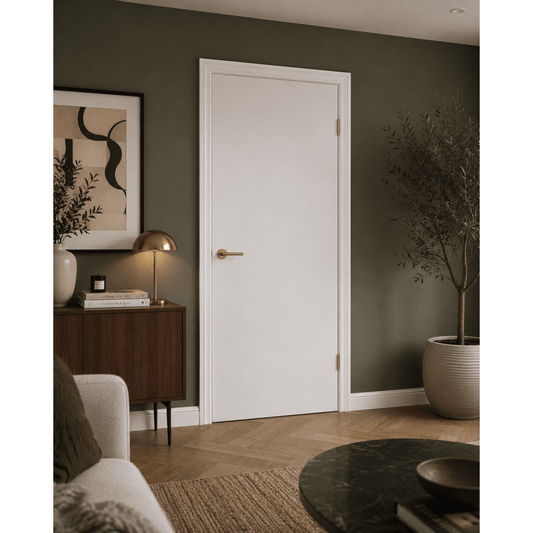
LPD White Primed Flush Internal Door WPFLU
Regular price From £30.84Regular price -
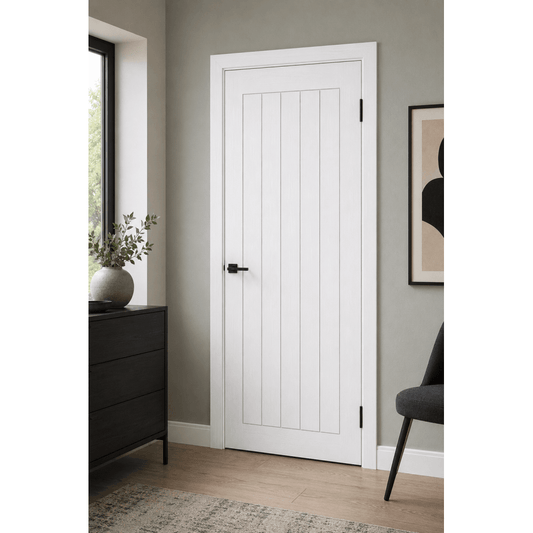
LPD Smooth Cottage White Primed Internal Door SMOCOT
Regular price From £55.99Regular price -
LPD Textured Mayfair White Internal Door MAY4P
Regular price From £61.75Regular price -
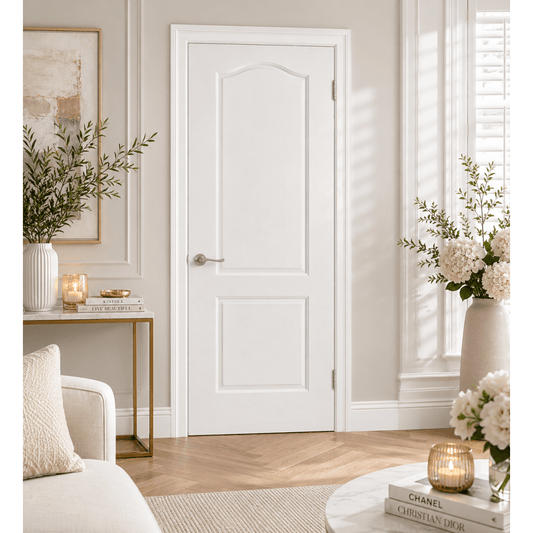
LPD Textured Classical 2 Panel Internal White Door CLA2P
Regular price From £65.85Regular price -
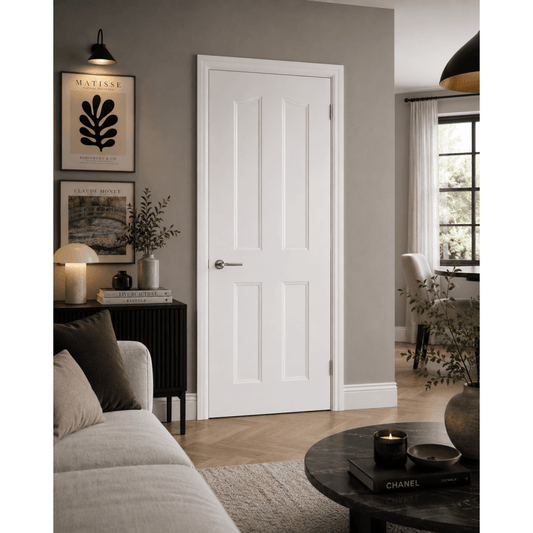
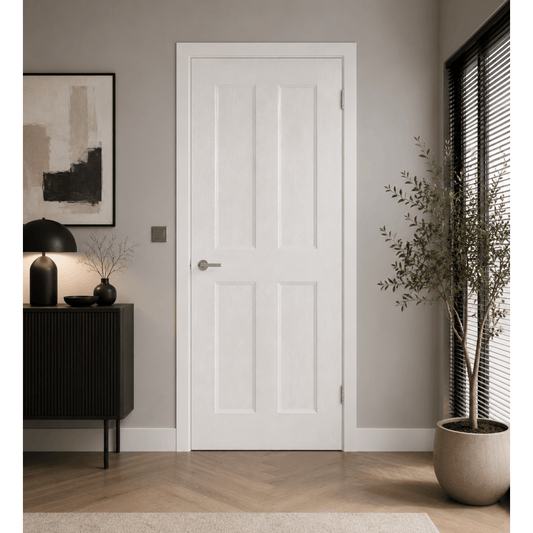
LPD Textured 4 Panel White Internal Door TEX4P
Regular price From £66.00Regular price -
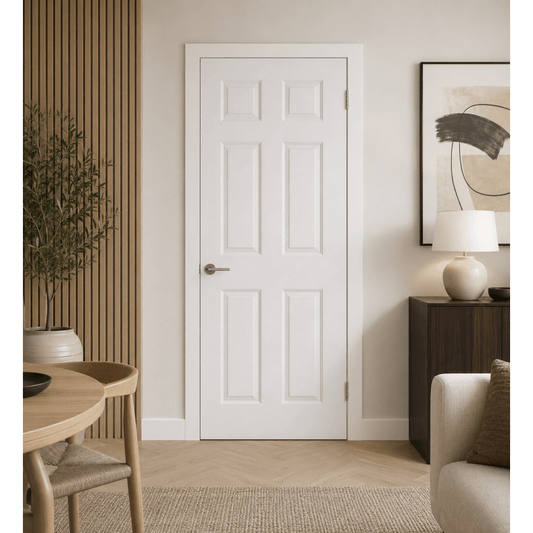
LPD Textured 6 Panel White Internal Door TEX6P
Regular price From £66.75Regular price -
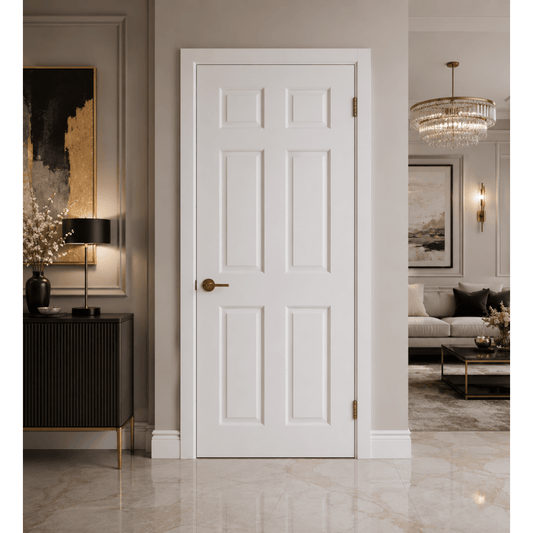
LPD Smooth 6 Panel White Internal Door SMO6P
Regular price £66.75Regular price -
LPD 4 Panel Knotty Internal Door PIN4P
Regular price £69.17Regular price -
LPD 6 Panel Knotty Internal Door PIN6P
Regular price £69.17Regular price -
LPD Ladder Smooth Internal White Primed Door SMOLAD
Regular price From £70.45Regular price -
LPD Ladder White Fully Finished Laminated Internal Door LAMWHILAD
Regular price £73.50Regular price -
LPD Richmond Clear Pine Unglazed Half Internal Door CPRIC
Regular price £73.66Regular price -
LPD Sydney Fully Finished Laminated White Internal Door LAMWHISYD
Regular price £75.00Regular price -
LPD Sydney Light Grey Fully Finished Internal Laminated Door LAMLGRSYD
Regular price £75.00Regular price -
LPD Ladder Light Grey Fully Finished Internal Laminated Door LAMLGRLAD
Regular price £75.00Regular price -
LPD 2 Panel Clear Pine Half Door CP2P
Regular price £75.87Regular price -
LPD 3 Panel Clear Pine Half Internal Door CP3P
Regular price £75.87Regular price -
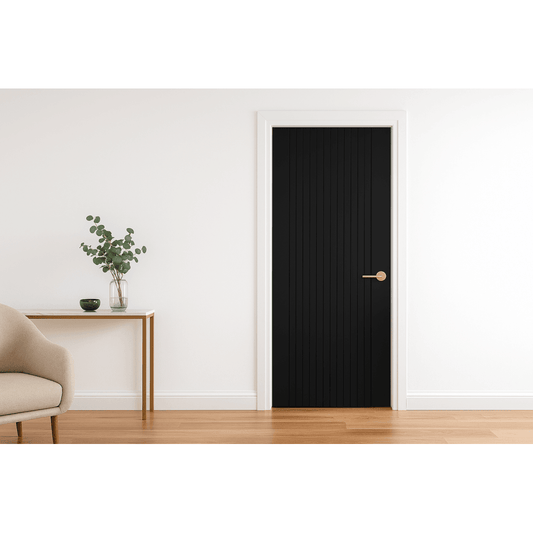
LPD Sydney Fully Finished Laminated Black Internal Door LAMBLKSYD
Regular price £77.50Regular price -
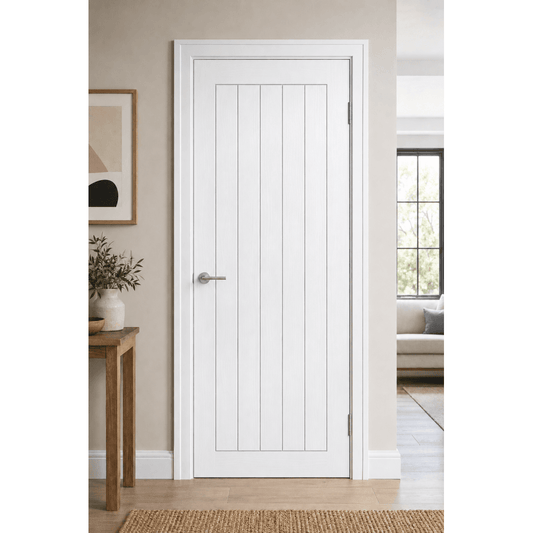
LPD Textured Vertical 5 Panel Internal White Primed Door TEXV5P
Regular price From £79.35Regular price -
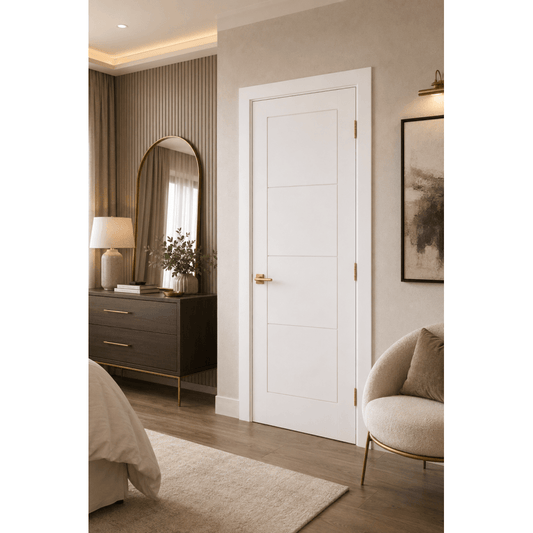
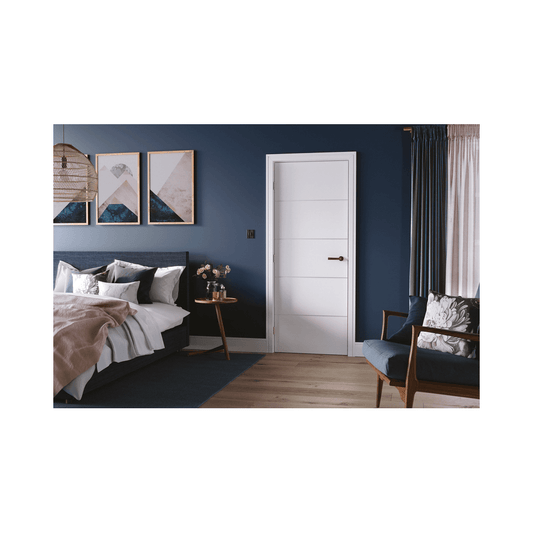
LPD Horizontal Four Line Internal Door SMOHOR
Regular price £79.50Regular price -
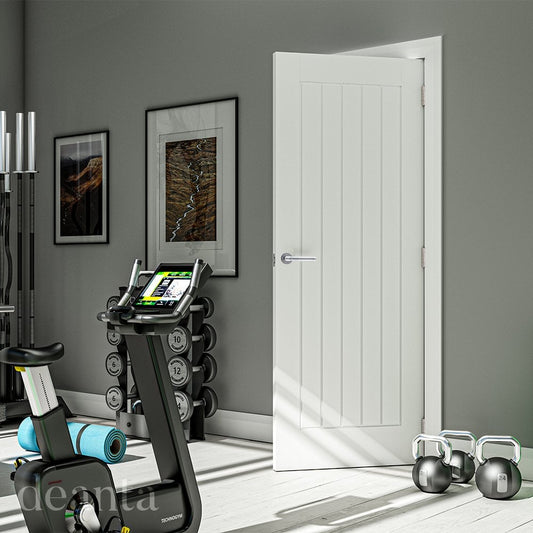
Deanta Ely White Primed Internal Door 35ELYWHP
Regular price From £81.75Regular price£100.80Sale price From £81.75Save £19.05
Sale -
Deanta Seville White Primed SEVWHP
Regular price From £81.75Regular price£92.00Sale price From £81.75Save £10.25
Sale -
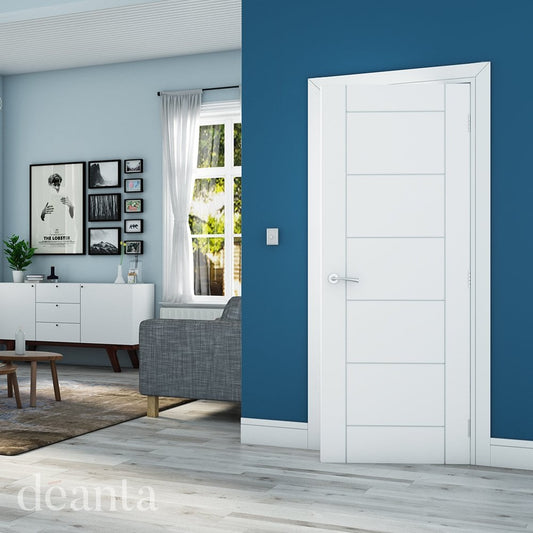
LPD Berlin Fully Finished White Internal Door SMOBER
Regular price £81.80Regular price -
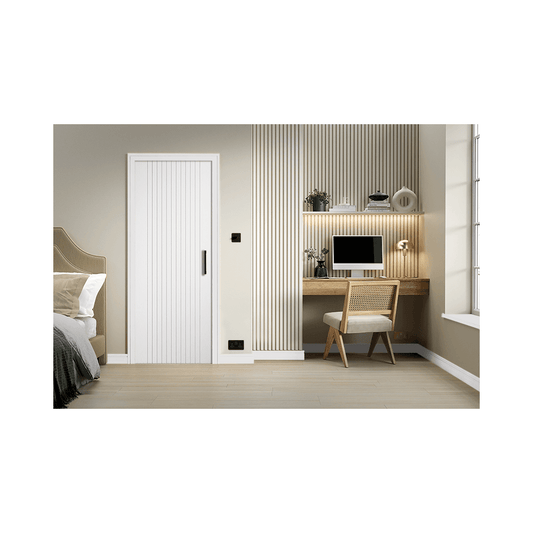
LPD Vancouver Primed White Internal Door WFVAN
Regular price From £82.50Regular price



















Shop by category
-
Internal Oak Doors 290 products

-
Internal White Primed Doors 84 products

-
Internal Black Doors 114 products

-
Internal Grey Doors 65 products

-
Internal Walnut Doors 35 products

-
Internal Laminated Doors 33 products

-
Internal Pine Doors 6 products

-
Fully Finished Internal Doors 361 products

-
Unfinished Internal Doors 84 products

-
Glazed Doors 284 products

-
Unglazed Doors 430 products

-
Clear Glazed Doors 118 products

-
Frosted Glazed Doors 20 products

-
Reeded Glazed Doors 7 products

-
Tinted Glazed Doors 5 products

-
Shaker Doors 9 products

-
Cottage Doors 11 products

-
Room Dividers 17 products

-
Bi-fold Doors 15 products

-
Pocket Doors 4 products

-
Ladder Doors 2 products


About this range
- From
- £30.84
- Products
- 716
- Materials
- Oak, White primed, Walnut, Ash, Laminate
- Finishes
- Fully finished, Primed, Unfinished, Pre-finished
- Glazing
- Unglazed, Glazed
- Brands
- LPD, Deanta, Mendes, Doors2Floors
An internal door is the most used moving part in a house. It is opened and closed thousands of times a year, it has to stay square in a heated room, and it sets the tone of every hallway and landing it stands in. This collection holds 716 internal doors from LPD, Deanta, Mendes and our own Doors2Floors label, starting at £30.84 for a primed flush leaf and running to £1,300 for the largest glazed hardwood designs.
Four decisions, in order
Almost every internal door choice comes down to the same four questions, and answering them in this order saves a great deal of scrolling. What size is the opening. Does the door need a fire rating. Glazed or solid. And should the door arrive finished from the factory or be finished on site.
Size and thickness
A standard internal door is 35mm thick. Imperial sizes still dominate British housing: 1981 x 533mm (78 x 21 inches), 1981 x 610mm (78 x 24), 1981 x 686mm (78 x 27), 1981 x 762mm (78 x 30) and 1981 x 838mm (78 x 33). Metric sizes appear in newer housing: 2040 x 626mm, 2040 x 726mm, 2040 x 826mm and 2040 x 926mm, along with 2032 x 813mm (80 x 32). In practice 686mm and 762mm cover most bedrooms and living rooms, while 533mm and 610mm are cupboard and cloakroom widths.
If the existing door fits, measure the leaf rather than the opening. If it does not, measure the opening in three places, because older houses are rarely square. Our door size guide lists every size we stock, how to measure a door covers the method, and internal door sizes explained sets out why the imperial and metric ranges still coexist.
Trimming allowance is limited. Most doors accept a few millimetres off each edge, and a lipped door accepts more than an unlipped one, but the lock block and any glazing bead set the ceiling. A fire door must never be trimmed beyond the manufacturer allowance.
Fire rating
244 of the doors here are fire rated. FD30 doors resist fire for 30 minutes and are 44mm thick. FD60 doors resist for 60 minutes and are 54mm thick. A rating is normally required between a garage and a house, on doors off the stairwell in a three storey home, and throughout flats and rented property. The rating only works as a complete assembly, which means the door, the frame, intumescent seals, three hinges and a self closer all specified together. Our fire door guide explains that assembly, and FD30 against FD60 covers which applies where. Browse fire doors, FD30 fire doors and FD60 fire doors.
Glazed or solid
280 of these doors carry glass and 426 are solid. Glazing borrows light from a bright room into a dark hallway, which matters most for internal doors that have no window of their own. The cost is privacy and a little acoustic performance. Clear glass suits a hallway, while frosted, reeded and tinted options suit bathrooms and home offices. See glazed internal doors and unglazed doors, and note that glazed fire doors exist where both requirements meet.
Finish
More than 350 doors are fully finished, which means they arrive lacquered or painted and can be hung and forgotten. 84 are unfinished, which costs less and lets you match an existing stain, but adds days of work and needs sealing on all six edges. Primed doors sit between the two, with the base coat done and the topcoat left to you. The guide to pre finished, unfinished and primed doors sets out the real cost difference, and the ranges are at fully finished internal doors and unfinished internal doors.
Materials and colours
Oak is the largest group with more than 290 doors and remains the safest resale choice. White primed, at more than 80 doors, is the cheapest route to a bright and consistent look and the natural partner for painted panelling. Black, at more than 110 doors, has moved from statement to standard in modern interiors. Grey sits at 59, walnut at 35 and laminate at 24, with a small pine range for period and budget work. Browse internal oak doors, internal white primed doors, internal black doors, internal grey doors, internal walnut doors, internal laminated doors and internal pine doors.
If you are torn between the two most common choices, white against oak internal doors works through the decision, and the guide to internal door finishes explains what lacquer, oil and paint each actually do.
Styles
Flush doors are plain faced and disappear into a wall, which suits minimal interiors. Panel doors, in four and six panel layouts, are the traditional British arrangement and the correct choice in a Victorian or Edwardian house. Shaker doors use a simple square framed panel and bridge old and new. Cottage doors have plank faces and belong in older properties. Ladder doors stack horizontal rails for a contemporary look. See shaker doors, two panel internal doors, three panel internal doors, four panel internal doors, six panel internal doors, cottage doors and ladder doors. Traditional against modern internal doors compares them properly.
Openings that do not want a single hinged leaf
Not every doorway suits one swinging door. Room dividers and french doors open a pair into a single space. Bi fold doors fold back where there is no room for a swing. Pocket doors and sliding door kit systems remove the swing entirely, which is often the answer in a small bathroom or utility room.
What else the order needs
A door does not hang itself. Each leaf needs hinges, three of them on a fire door and usually two elsewhere, a latch or lock, and a handle set. Frames and linings are separate items, and the architrave covers the joint between lining and wall. Work through door hardware, door hinges, door handles, locks and latches, internal frames and door architraves. Door frames against door linings explains which one your opening needs, and plan your doors pulls the whole order together.
Common questions
How much does it cost to fit an internal door?
Fitting is normally charged per door and depends on whether the lining is being replaced at the same time. Internal door fitting costs breaks down the parts you can and cannot avoid.
Hollow core or solid core?
Solid core is heavier, quieter and dearer, and it feels better in the hand. Hollow core is acceptable on cupboards. This comparison covers where each belongs.
Do all the doors need to be the same brand?
No, but stay within one brand and one finish on any single floor. Oak lacquers vary between manufacturers and the difference shows across a landing.
What is the cheapest way to change every door in a house?
Primed flush doors hung in the existing linings, with the original handles reused. The budget internal doors guide sets out where saving money is sensible and where it is not.
How long does delivery take?
Most orders arrive within five to ten working days, and an express next working day service is available on many products subject to supplier cut off times. See delivery for the detail.
Where an opening is wider than a single leaf, an internal side panel fills the extra width and keeps the same face and finish as the door.
Where are the run-out prices?
End of line and surplus leaves are grouped in clearance doors, which covers oak, white primed, pine and panel styles while stock lasts.
Fast delivery
Nationwide delivery, next-day available
Secure payment
Safe and encrypted checkout
Payment options
PayPal, cards and more
VAT included
Only delivery is added at checkout